Seasonal Roof Maintenance Checklist for Illinois Homeowners
Protect your Illinois home with our seasonal roof maintenance checklist. Learn key tips for spring, summer, fall, and winter to prevent costly damage.
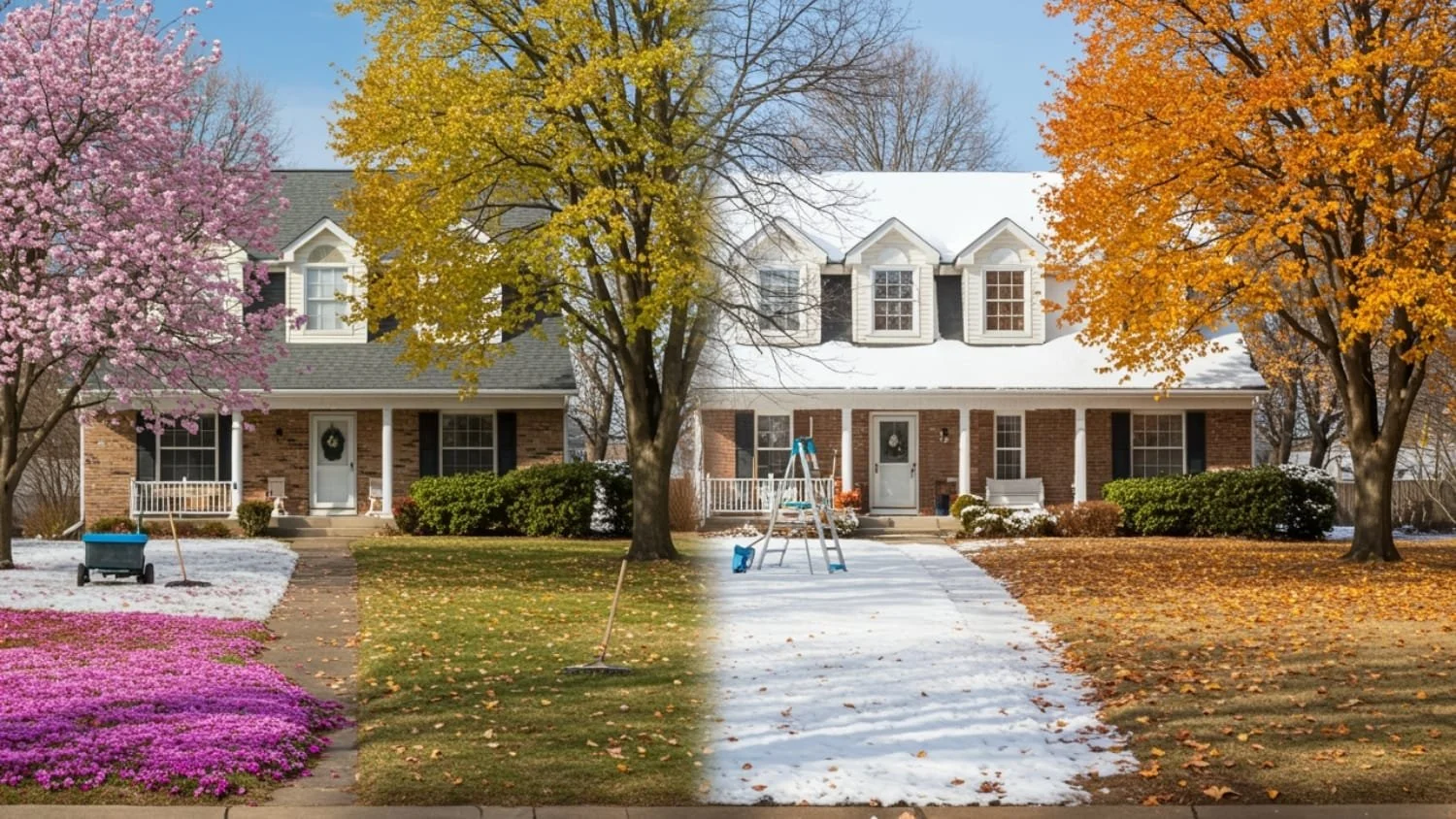
In Illinois, the weather keeps homeowners on their toes. From sweltering summer heat and intense thunderstorms to heavy snow and biting winter cold, your roof endures a lot throughout the year. These extreme temperature swings can take a toll on your roofing materials, leading to gradual wear and tear that might not be obvious until a leak appears.
A proactive approach to roof maintenance is the best way to protect your most significant investment. By following a simple plan, you can catch minor issues before they become major problems, extend the life of your roof, and ensure your home is prepared for whatever the next season brings. This seasonal roof maintenance checklist is designed specifically for Illinois homeowners to help you stay ahead of potential damage.
Why Seasonal Roof Maintenance Matters
Your roof is your home's primary shield against the elements. A small, overlooked issue like a cracked shingle or a clogged gutter can quickly escalate, leading to water damage, mold growth, and compromised structural integrity. Regular inspections and upkeep are far less expensive than dealing with an emergency repair or a premature roof replacement. A consistent maintenance schedule ensures your roof remains in top condition, providing reliable protection year-round.
Your Four-Season Roof Maintenance Plan
Here is a breakdown of essential tasks to perform each season to keep your roof strong and secure.
Spring: Assessing Winter's Impact
Winter can be particularly harsh on roofs in Illinois. The combination of snow, ice, and freeze-thaw cycles can cause significant stress. Spring is the perfect time to inspect for any damage that occurred over the colder months.
Inspect for Damaged Shingles: Carefully look for shingles that are cracked, curled, or missing altogether. Pay close attention to areas around vents and chimneys. Wind and ice can easily lift shingles, creating entry points for water.
Check for Leaks in the Attic: Head into your attic on a bright day and look for any signs of light coming through the roof deck. Also, check for water stains, mold, or damp insulation. These are clear indicators of a leak that needs immediate attention.
Clean Gutters and Downspouts: Winter storms can fill your gutters with leaves, twigs, and other debris. Clogged gutters can cause water to back up onto the roof, leading to rot and leaks. Ensure they are clear and that water flows freely away from your foundation.
Examine Flashing: Check the metal flashing around chimneys, skylights, and vents. Look for any signs of rust, gaps, or separation from the roof. Damaged flashing is one of the most common roofing problems.
Summer: Preparing for Heat and Storms
Intense summer sun and severe thunderstorms present a new set of challenges. High temperatures can cause materials to expand and crack, while storms bring the risk of wind and hail damage.
Look for Signs of Heat Damage: The sun’s UV rays can bake asphalt shingles, causing them to lose their protective granules and become brittle. Check for an accumulation of shingle granules in your gutters.
Ensure Proper Attic Ventilation: Good ventilation is crucial for regulating your home's temperature. A hot attic can bake your shingles from below, shortening their lifespan. Make sure your attic vents are not blocked and are functioning correctly.
Trim Overhanging Branches: Summer storms can bring high winds that can turn tree branches into damaging projectiles. Trim any limbs that are hanging over or close to your roof to prevent punctures and scrapes.
Inspect After Severe Storms: After a major thunderstorm with high winds or hail, it’s wise to perform a quick visual inspection from the ground. Look for any obvious signs of damage and call a professional if you suspect an issue.
Fall: Getting Ready for Winter
Autumn is arguably the most critical season for roof maintenance. The work you do now will prepare your home for the impending snow and ice of an Illinois winter.
Thorough Gutter Cleaning: This is your last chance to clear out falling leaves and debris before winter arrives. Clogged gutters can lead to ice dams, which are one of the most destructive winter roofing problems. Understanding how snow and ice damage your roof is key to prevention.
Final Debris Removal: Clear any leaves, pine needles, or branches from the roof surface itself. Piles of damp debris can promote mold growth and cause the roofing materials underneath to rot.
Conduct a Full Roof Inspection: Perform a detailed check of the entire roof system. Look for loose or damaged shingles, check all flashing, and inspect seals around pipes and vents. Addressing these issues now prevents winter moisture from getting in. If you're unsure, our guide on top roofing maintenance tips can help.
Winter: Monitoring and Prevention
While you can’t perform extensive repairs in the middle of winter, you can monitor your roof's condition and take steps to prevent common cold-weather issues.
Watch for Ice Dams: Ice dams form when heat from your attic melts snow on the roof, which then refreezes at the colder eaves. This can force water under your shingles. Keeping gutters clean and ensuring your attic is well-insulated are the best preventative measures.
Safely Remove Heavy Snow: After a particularly heavy snowfall, you may need to remove some of the weight from your roof. Only do this if you can do it safely from the ground with a proper roof rake. Never get on an icy roof. Knowing what to do when your roof suffers snow damage is vital.
Keep Vents Clear: Make sure heavy snow does not block your attic or exhaust vents. Proper airflow is important even in the winter to prevent moisture buildup in the attic.
Your Partner in Professional Roof Maintenance
While many of these seasonal tasks can be handled by a diligent homeowner, nothing replaces a professional inspection. A trained expert can spot subtle signs of damage that are easy to miss and can safely access all areas of your roof.
At Avondale Roofing, we are your local Illinois roofing company providing comprehensive residential roofing services, from routine maintenance and inspections to repairs and full replacements. With over 35 years of experience serving Illinois, we understand how to protect your home from our unique climate challenges. Contact us today to schedule a professional inspection and give yourself the peace of mind that your roof is ready for any season.