
How to Spot Roof Damage After a Storm
After a storm, is your roof okay? Learn how to inspect your Wisconsin home for storm roof damage and what steps to take to prevent costly repairs.
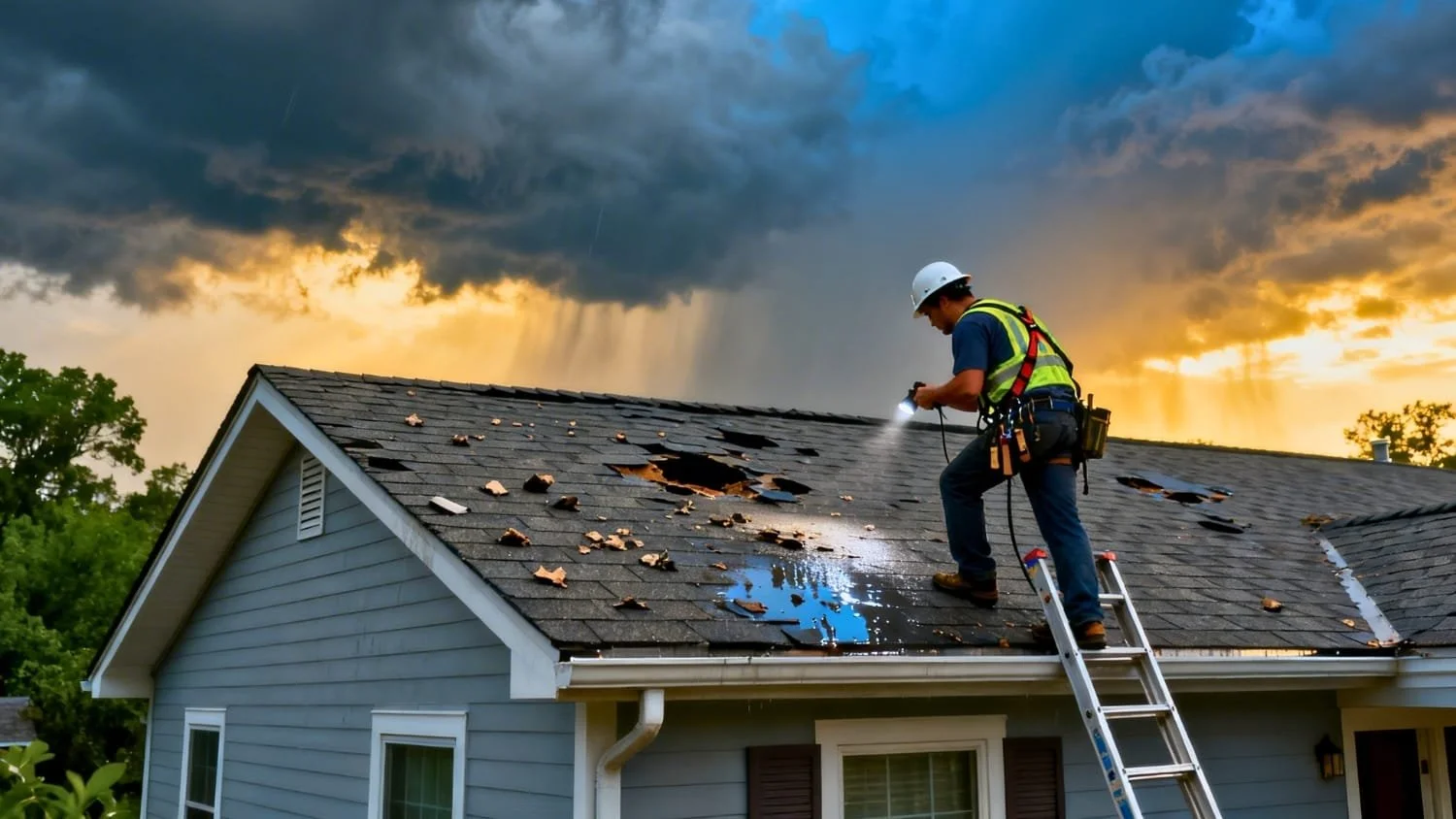
After a severe storm passes through, the first sense of relief is often followed by a nagging question: is my home okay? High winds, heavy rain, and hail can inflict serious harm on your property, and your roof is the most vulnerable component. Identifying storm roof damage early is crucial to preventing small problems from turning into major, expensive disasters.
Many homeowners aren't sure what to look for or may assume that if there are no visible leaks inside, everything is fine. Unfortunately, some of the most significant damage isn't immediately obvious. This guide will walk you through how to safely inspect your roof and property after a storm, so you can take swift, informed action to protect your home.
Why a Post-Storm Inspection is Non-Negotiable
Waiting to check your roof can be a costly mistake. A single missing shingle or a small crack in the flashing can allow water to seep into your attic, saturating insulation, rotting the wooden structure, and creating the perfect environment for mold growth. What might have been a simple repair can quickly escalate into thousands of dollars in water damage restoration and structural fixes.
By conducting a thorough inspection right after a storm, you can spot issues and call for professional help before the next rainfall causes further harm. This proactive approach not only saves you money but also ensures the long-term integrity and safety of your home.
Your Post-Storm Roof Inspection Checklist
You don’t need to be a roofing expert to spot the initial signs of trouble. You can perform a safe and effective inspection from the ground and inside your home. Here’s what to look for.
1. Start with a Ground-Level Walkaround
Your first step should always be a thorough visual inspection from the safety of the ground. Walk around the entire perimeter of your home and look for:
Missing or Damaged Shingles: This is one of the most common types of storm roof damage. Look for shingles that are completely missing, cracked, curled, or lifted. Pay special attention to the edges and corners of the roof, which are most susceptible to wind uplift.
Debris on the Ground: Finding shingle granules, pieces of flashing, or entire shingles in your yard or gutters is a clear red flag that your roof has sustained damage.
Dents on Gutters and Downspouts: Hail can leave noticeable dents on metal components. If your gutters, downspouts, or roof vents are dented, there's a high probability your shingles are damaged as well, even if it's not visible from the ground.
Damage to Flashing and Vents: Check the metal flashing around your chimney, skylights, and vents. Look for any signs that it has been bent, lifted, or punctured. Damaged flashing is a primary source of leaks.
2. Inspect Your Gutters and Siding
While you're outside, don't forget to look at your gutters and siding. Damage here often points to problems on the roof.
Clogged or Broken Gutters: Heavy winds and rain can fill your gutters with debris or even tear them away from the house. Clogged gutters cause water to back up onto the roof, which can lead to leaks and ice dams in the winter.
Cracked or Dented Siding: Wind-blown debris and hail can crack vinyl siding or dent aluminum siding. If you see this kind of damage, it's another indicator that your roof likely took a hit as well.
3. Head Inside to Your Attic
The attic is the best place to find evidence of a roof leak. On a bright day, safely go into your attic and look for:
Daylight Peeking Through: Turn off the lights and look up at the roof deck. If you see any pinpricks of daylight, you have a hole that needs to be repaired immediately.
Water Stains or Streaks: Check the underside of the roof deck and the insulation for dark stains, streaks, or signs of moisture. Water can travel, so the leak's entry point might be several feet away from where the stain appears.
Wet or Sagging Insulation: Damp or compressed insulation is a sign that water has been getting in. Wet insulation loses its R-value and can become a breeding ground for mold.
Musty Odors: A damp, musty smell in your attic is a strong indicator of a hidden leak and potential mold or mildew growth.
4. Check Your Interior Ceilings and Walls
Finally, walk through the upper level of your home and look for signs of water intrusion. Check for:
Ceiling Stains: Discolored, brownish rings on your ceiling are a classic sign of a slow roof leak.
Peeling Paint: Moisture getting into the walls or ceiling can cause paint to bubble, peel, or blister. This is often seen near the corners where the wall meets the ceiling.
When to Call a Professional Roofer
While a homeowner's inspection is a great first step, it’s not a substitute for a professional assessment. You should call a trusted roofing contractor if:
You find any of the signs mentioned above.
Your area was hit by large hail (quarter-sized or bigger).
A large tree limb or other heavy debris has fallen on your roof.
You are uncomfortable or unable to perform an inspection yourself.
Never attempt to climb onto your roof, especially when it is wet or windy. Professional roofers have the safety equipment and training to conduct a thorough and safe inspection. A reliable contractor can identify subtle storm roof damage that is easily missed by an untrained eye and can provide documentation for your insurance claim.
Don't Wait—Protect Your Home Today
The aftermath of a storm is a critical time for any homeowner. By taking a few minutes to inspect your property, you can catch potential disasters before they happen. If you suspect your roof has been damaged, prompt action is your best defense against further issues.
The experienced team at Avondale Roofing is here to help. We provide trusted and reliable roof repairs for homeowners throughout Wisconsin and Illinois. We can assess the damage, perform emergency tarping to prevent further leaks, and work with you to restore the safety and integrity of your roof. Contact us today for a professional inspection and peace of mind.