Signs Your TPO Roof Needs Maintenance
Keep your TPO roof in top condition! Learn the signs it’s time for maintenance and why regular upkeep extends its lifespan for your commercial property.
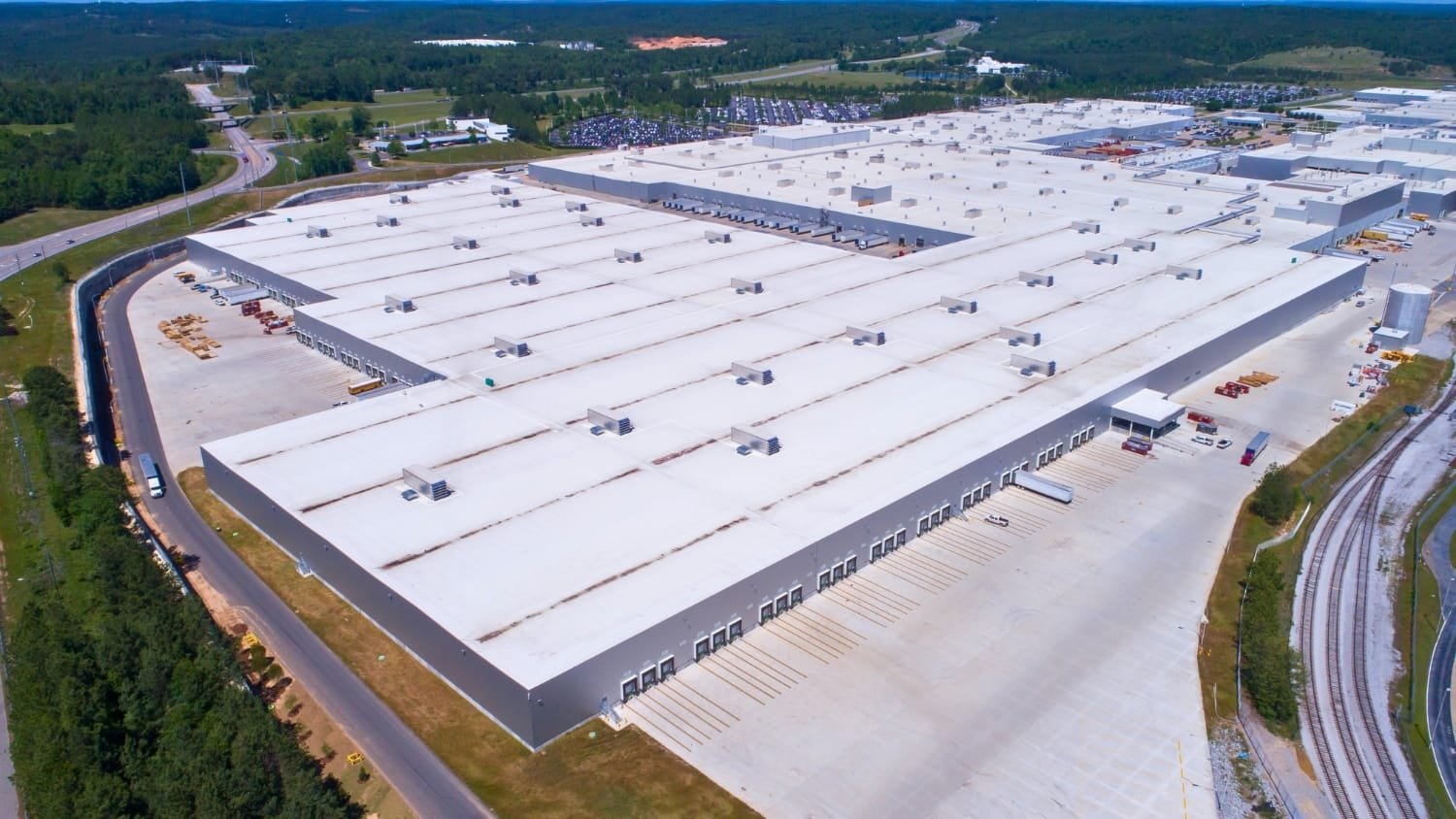
As a commercial property owner in Wisconsin or Illinois, you know that a reliable roof is your building's first line of defense. Thermoplastic Olefin (TPO) roofing has become a popular choice for flat or low-slope commercial roofs due to its durability, energy efficiency, and cost-effectiveness.
However, even the most resilient roofing system requires attention to perform its best. Proactive TPO roof maintenance is essential to protect your investment, prevent costly disruptions, and maximize its lifespan.
Ignoring small issues can lead to major problems, including leaks, structural damage, and premature replacement. This guide will help you identify the key signs that your TPO roof needs maintenance. By learning what to look for, you can stay ahead of repairs and ensure your property remains secure through harsh Midwest seasons.
Why Regular TPO Roof Maintenance is Non-Negotiable
A TPO roofing system is a significant investment. Just like any other major asset, it requires regular upkeep to deliver long-term value. Consistent maintenance does more than just fix existing problems; it prevents them from happening in the first place.
For business owners, a well-maintained roof means peace of mind. You can avoid unexpected business interruptions from leaks or structural failures. Furthermore, a proactive approach to TPO roof maintenance is far more affordable than dealing with emergency repairs or a full replacement years before you should have to.
Scheduling routine inspections helps you budget for minor repairs and keeps your roof performing optimally for its entire projected lifespan, which can be 20 to 30 years with proper care.
7 Telltale Signs Your TPO Roof Needs Attention
While a professional inspection is the best way to assess your roof's condition, you can spot many warning signs from a simple visual check. Here are seven common indicators that it’s time to schedule TPO roof maintenance.
1. Punctures or Tears in the Membrane
TPO membranes are tough, but they aren't indestructible. Foot traffic from HVAC technicians, falling tree limbs, or even severe hailstorms can cause punctures, tears, or cuts. While a small hole might not seem like a big deal, it creates an immediate entry point for water. Once moisture gets beneath the membrane, it can saturate the insulation, reducing its effectiveness and potentially leading to mold growth or deck rot.
What to Look For: Visible holes, cuts, or slices in the white or light-gray TPO surface.
Action: Address any penetration immediately to prevent water intrusion.
2. Failing Seams or Weld Separations
The seams where TPO sheets are welded together are the most vulnerable part of the roofing system. Over time, building movement, extreme temperature fluctuations, and improper installation can cause these heat-welded seams to pull apart or separate. A failed seam is essentially a direct invitation for a major leak. This is a critical area that professionals focus on during any TPO roof maintenance check.
What to Look For: Gaps, cracks, or peeling along the lines where roof sections meet.
Action: Have a professional roofer inspect and re-weld any compromised seams.
3. Ponding Water
A flat roof is designed to drain water efficiently. If you notice water standing on your roof for more than 48 hours after a rainstorm, you have a ponding water problem. This issue is often caused by clogged drains or a subtle sag in the roof structure. The standing water not only adds immense weight and stress to your roof deck but can also accelerate the deterioration of the TPO membrane and its seams. This is a clear sign that you need to investigate the cause.
What to Look For: Visible pools of water that do not evaporate within two days.
Action: Clear any drain blockages. If the problem persists, you may have a structural issue that requires a professional assessment.
4. Flashing Issues Around Penetrations
Flashing is the material used to seal the areas around roof penetrations like pipes, vents, skylights, and HVAC units. If the flashing is cracked, loose, or pulling away from the membrane, it creates a pathway for water to seep in. These are some of the most common sources of roof leaks, and they are often overlooked. A thorough inspection of all flashings is a key part of any TPO roof maintenance plan.
What to Look For: Gaps or damage around any object that protrudes from your roof.
Action: Reseal or replace damaged flashing to ensure a watertight seal.
5. Bubbles, Blisters, or Ridges
Bubbles or blisters on your TPO roof indicate that air or moisture is trapped underneath the membrane. This can happen if the membrane was not correctly adhered to the substrate during installation or if moisture has found its way in through a small puncture. These bubbles can expand and stretch the membrane, making it thinner and more susceptible to damage. While a few small bubbles might not be an emergency, widespread blistering signals a more serious problem.
What to Look For: Raised, bubble-like areas or long, wrinkled ridges on the roof surface.
Action: Contact a professional to determine the cause and whether the area needs to be vented or repaired.
6. Dirt, Debris, and Biological Growth
A TPO roof's white, reflective surface is one of its biggest benefits, as it helps keep the building cool and reduces energy costs. When that surface is covered in dirt, leaves, algae, or moss, its reflective properties are diminished. More importantly, debris can clog drains and gutters, leading to ponding water. Moss and algae can hold moisture against the roof surface, potentially degrading the membrane over time.
What to Look For: An accumulation of leaves, dirt, or visible green or black growth.
Action: Schedule a professional cleaning. Avoid using harsh chemicals or power washers, as they can damage the TPO membrane.
7. Cracking or Crazing of the Surface
Over many years of exposure to UV radiation, a TPO membrane can begin to show its age. You might notice a network of fine cracks, a phenomenon known as "crazing." While this is often a sign of an older roof nearing the end of its life, it can also be a symptom of a lower-quality membrane. These cracks make the material brittle and more prone to punctures and tears. Spotting this kind of widespread surface degradation is a sign that you need to start planning for a replacement, not just a repair.
What to Look For: A web of small cracks or a dry, brittle appearance on the TPO surface.
Action: A professional evaluation is needed to determine the roof's remaining lifespan.
Related: TPO vs. PVC Roofing: Which Is Better for Your Commercial Building?
Partner with a Professional for Your Commercial Roofing Needs
Regular inspections are the cornerstone of effective TPO roof maintenance. While you can spot many of these signs yourself, a trusted roofing partner can provide the expertise needed for a comprehensive assessment.
At Avondale Roofing, we specialize in commercial roofing solutions for businesses across Illinois and Wisconsin. Our experienced team can identify both visible and hidden issues, perform expert repairs, and create a custom maintenance plan to extend the life of your roof.
Don't wait for a small issue to become a costly disaster. Protect your investment and your business operations with proactive care.
Contact Avondale Roofing today to schedule a professional roof inspection. Let our team give you the peace of mind that comes with knowing your property is in trusted hands.