Vinyl Siding vs. Fiber Cement Siding for Illinois and Wisconsin Homes
Vinyl siding costs less to buy and install, needs almost no upkeep, and works well for budget-conscious homeowners planning to stay 10-15 years. Fiber cement costs more upfront but resists hail, wind, and freeze-thaw cycles better, lasts 30-50+ years, and adds more resale value, making it the stronger choice for homeowners staying long term in Illinois and Wisconsin's harsher climate.
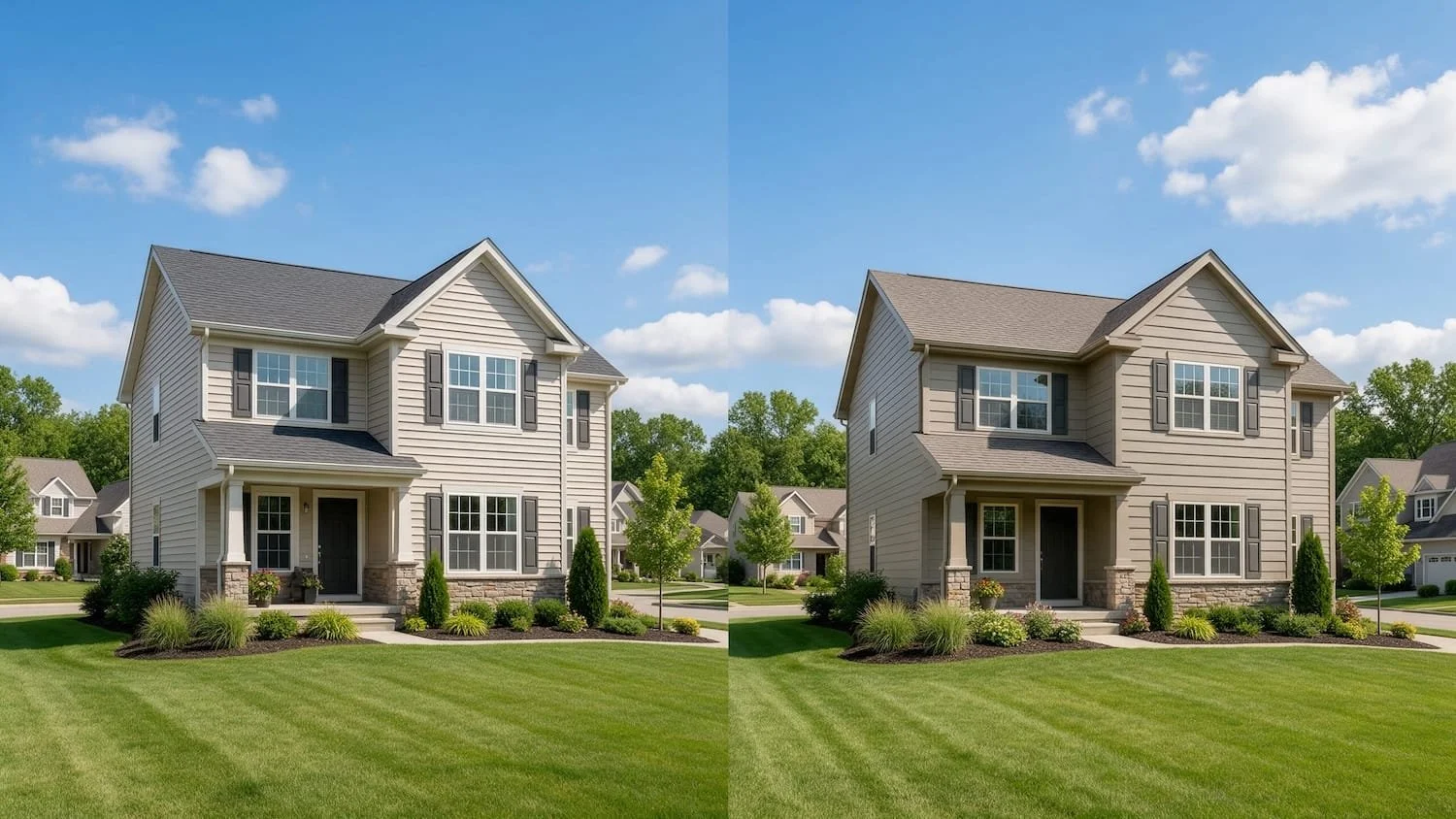
Choosing the right siding is one of the biggest decisions a homeowner can make. It affects how your home looks, how much you spend on maintenance, and how well your house stands up to hail, high winds, and freeze-thaw cycles. Two of the most popular options are vinyl siding and fiber cement, and each has clear strengths and trade-offs.
In our experience, hail, not sun, is what usually separates these two materials in Illinois and Wisconsin. A three-quarter-inch hailstone driven sideways by a summer storm near Beloit will dent aluminum, crack a brittle vinyl panel, and chip the paint off fiber cement. That single fact reshapes the whole vinyl vs. fiber cement decision, because the material that wins in a mild climate isn't always the material that wins in Rock County or Cook County.
At Avondale Roofing, we've helped Illinois and Wisconsin homeowners choose and install siding since 1988. Over 35+ years of installations, we've seen firsthand how each material performs through harsh winters, summer hailstorms, and everything in between. This guide breaks down the comparison so you can make an informed, confident decision.
Quick Comparison: Vinyl Siding vs. Fiber Cement
Here's a side-by-side overview before we dig into the details.
| Feature | Vinyl Siding | Fiber Cement |
|---|---|---|
| Average Lifespan | 20 to 30 years (varies with sun exposure) | 50+ years |
| Upfront Cost | $4 to $8 per sq. ft. installed | $8 to $14 per sq. ft. installed |
| Weight | Lightweight | Heavy |
| Maintenance | Very low (occasional wash) | Low to moderate (periodic repaint) |
| Cold Climate Performance | Good, but more brittle | Excellent, stays stable |
| Hail Resistance | Fair; can crack in cold weather | Strong, though it can chip |
| Fire Resistance | Limited; will melt or burn | Excellent (non-combustible) |
| Installation Difficulty | Easy | Specialized, heavier boards |
| Resale Value | Standard | Above average |
Now let's look at each material in detail.
What Are Vinyl Siding and Fiber Cement Made Of?
Vinyl siding is extruded PVC that locks together in panels; fiber cement is a mix of cement, sand, and cellulose fiber pressed into boards. Understanding what each material actually is helps explain why they perform so differently in Midwest weather.
Vinyl panels hang loose on the wall so they can expand and contract with temperature swings. Modern vinyl is thicker than the 1980s product that gave the category a bad reputation, and insulated versions come with rigid foam backing that adds a little R-value and quiets the wall.
Fiber cement is heavy, dense, and does not burn. James Hardie is the brand most Illinois and Wisconsin homeowners recognize, and it remains the benchmark for the category. Boards come pre-finished from the factory or primed for field painting; pre-finished is usually the better long-term investment in our climate.
A third option, engineered wood siding, splits the difference: it's wood strands treated with resin and pressed into planks, offering some of fiber cement's look with better flex under impact. It's worth asking your contractor to price as an alternate if you like fiber cement's appearance but want a lighter board.
Vinyl Siding: The Affordable, Low-Maintenance Choice
According to the Vinyl Siding Institute, vinyl is installed on more American homes than any other exterior cladding, largely because of its affordability, ease of installation, and minimal maintenance requirements.
Pros of Vinyl Siding
Affordable upfront cost. Vinyl is one of the most budget-friendly siding options on the market.
Easy installation. Lighter weight and simpler installation keep labor costs down.
Low maintenance. Vinyl never needs painting and only requires occasional cleaning with a garden hose.
Wide variety of colors and styles. Modern vinyl mimics the look of wood, shake, or stone.
Good warranty coverage. Many vinyl products carry warranties of 30 to 50 years or even lifetime coverage.
Energy-efficient options available. Insulated vinyl siding can improve your home's energy performance.
Cons of Vinyl Siding
Less durable than fiber cement. Vinyl can crack, warp, or fade over time, especially through extreme temperature swings.
Vulnerable to impact damage. PVC gets more brittle as temperatures drop, so heavy hail, falling branches, or a stray hockey puck are more likely to crack a panel in January than in July.
Limited fire resistance. Vinyl will melt or burn under high heat.
Color fading over time. Even premium vinyl can fade after 15 to 20 years of sun exposure, with south- and west-facing walls fading first.
Lower resale value. While vinyl is widely accepted, it doesn't add as much home value as fiber cement.
For most Illinois and Wisconsin homeowners, vinyl is a smart, cost-effective choice, especially for budgets that prioritize affordability and easy maintenance, or for homeowners who plan to sell within the next decade.
Fiber Cement: The Premium Performer
Fiber cement siding has grown rapidly in popularity over the past two decades, especially in regions with harsh weather. It combines the wood-like look homeowners want with the durability of cement, making it a strong fit for Illinois and Wisconsin's demanding climate.
Pros of Fiber Cement
Exceptional durability. Fiber cement resists impact, moisture, rot, insects, and cracking far better than vinyl.
Long lifespan. A well-installed fiber cement system commonly lasts 30 to 50+ years.
Fire resistant. Fiber cement is non-combustible and earns top fire safety ratings, an important factor on tight urban lots in Chicago and older Milwaukee neighborhoods where homes sit close together.
Excellent in extreme weather. It handles hail, high winds, and freeze-thaw cycles with ease, and it barely expands or contracts with temperature changes.
Authentic wood-look appearance. Fiber cement realistically mimics wood lap siding, shingles, and architectural details, and holds bold, deep colors well.
Repaintable. Unlike vinyl, fiber cement can be painted any color and repainted whenever you want a new look.
Adds significant resale value. Buyers see fiber cement as a premium upgrade, especially in higher-value neighborhoods.
Cons of Fiber Cement
Higher upfront cost. Fiber cement typically runs 1.5 to 2 times more than vinyl siding to buy and install.
Heavier and harder to install. Specialized tools, dust control, and trained crews are required.
Periodic painting needed. The board itself lasts decades, but factory-finished paint typically needs refreshing on a longer cycle, while field-painted boards need attention sooner.
Caulking maintenance. Joints and cut edges need to be inspected and re-sealed periodically, since an unsealed edge combined with freeze-thaw cycling is how fiber cement boards start to break down.
Fiber cement is the right call for homeowners who want premium performance, top-tier weather resistance, and a siding upgrade that adds long-term value to their home.
Which Material Performs Better in Illinois and Wisconsin Winters?
Fiber cement handles Illinois and Wisconsin winters better overall, resisting hail, wind, and freeze-thaw cycling with minimal movement, while vinyl performs well when installed correctly but becomes more brittle and prone to cracking in cold weather. Few regions test siding harder than our area. Between heavy snow, freeze-thaw cycles, lake-effect storms, and sudden temperature swings, both materials face real challenges.
Hail and Wind
Fiber cement resists hail better as a rule. It's dense and doesn't puncture easily. Hard hits can chip or crack it, and the chips will show, but you rarely end up with a hole straight through. Vinyl is more vulnerable to hail, especially in cold weather and with thinner panels; impact-rated vinyl exists and is worth asking about if your area has a history of hail claims.
Wind is a different story. Fiber cement is nailed tight and stays put. Vinyl hangs loose by design, and a poor install, meaning nails driven too tight or panels not fully locked, is what turns a wind event into loose siding at the corners. Quality vinyl installed correctly holds up fine in the gusts we see off the prairie.
Freeze-Thaw and Temperature Swings
A wall in Janesville can swing 40 degrees in a single day. Vinyl moves with that swing; a 12-foot panel can grow and shrink close to half an inch across the seasons, which is why installers leave room at the ends and nail loosely so the panel can slide. Nail it too tight and you'll see buckling by August or a split by February.
Fiber cement barely moves, which is a real advantage here. Its freeze-thaw risk is different: water that soaks into an unsealed cut edge or an unpainted joint will freeze and start breaking the board apart over time. That's an installation issue rather than a material flaw, which is why proper sealing at every cut is so important.
Fire Safety
Fiber cement does not burn, a clear advantage on tight lots in Chicago and older Milwaukee neighborhoods where homes sit close together. Vinyl will melt and burn under high heat, so if a wall faces a neighbor's home across a narrow gap, or sits near a grill or fire pit, fiber cement is the safer choice.
For more on how your roof and gutters interact with these same freeze-thaw challenges, see our guide on how to manage ice dams.
Cost Comparison: Lifetime Value
The upfront cost gap between vinyl and fiber cement can look intimidating, but the lifetime value tells a different story. Here's how the math typically works out for an average 2,000-square-foot Midwestern home with 1,500 square feet of siding.
| Cost Factor | Vinyl Siding | Fiber Cement |
|---|---|---|
| Initial installation | $6,000 to $12,000 | $12,000 to $21,000 |
| Average lifespan | 20 to 30 years | 45+ years |
| Repaint or refresh costs | Minimal | $3,000 to $6,000 every 10 to 15 years |
| Replacements over 45 years | 1 to 2 | 0 |
| Average annual cost | $300 to $600 | $300 to $550 |
Skip national cost-per-square-foot averages you see quoted online; they ignore what actually moves your number in Northern Illinois and Southern Wisconsin, including wall complexity, tear-off and disposal needs, sheathing repair, the water-resistive barrier and flashing package, and your trim choices. The only number that matters is the one on a written estimate for your specific house.
When you factor in replacement frequency, fiber cement often becomes the more economical choice over the long run, especially for homeowners who plan to stay in their home for 15+ years. If the total is more than you planned to spend this year, flexible financing options can keep the project moving without draining your savings.
Why Installation Quality Matters as Much as Material Choice
The crew matters more than the material. A premium fiber cement job with bad flashing will damage your sheathing faster than a mid-grade vinyl job done right. Before you sign a contract, insist on these four details in writing:
A proper water-resistive barrier. House wrap or building paper, lapped shingle-style, so water runs down and out instead of behind the siding.
Kick-out flashing wherever a roof edge meets a wall. Without it, every rainfall dumps water straight into the wall behind your siding, which is the single most common miss we find on Midwest homes.
Sealed cut edges on fiber cement. Every field cut exposes raw core material. Unsealed edges combined with freeze-thaw cycling is how boards start to crumble.
Correct fastening on vinyl. Nails centered in the slot, snug but not tight, with panels locked but free to slide. This prevents summer buckling and winter splitting.
Ask for the manufacturer's installation instructions and ask who on the crew has been trained to follow them. A contractor who welcomes that question is the kind you want on your roof. For more guidance on vetting a contractor, see our post on questions to ask a roofing contractor before getting a quote.
Does Impact-Resistant Siding Qualify for Insurance Credits?
Some homeowner insurance carriers offer premium credits for impact-resistant exterior materials, so it's worth a call to your agent before finalizing your siding choice. Siding damage is typically covered under the same homeowner policy as roof damage, and hail claims in Northern Illinois and Southern Wisconsin often include both.
Matching also matters at claim time. If a storm damages one wall of vinyl and your original color has been discontinued, you may end up negotiating with your carrier about whether they'll cover more than one elevation. Fiber cement's paint can typically be matched more easily during a repair.
If you're dealing with recent storm damage, your siding and roof should be inspected and documented together in one visit. Our guide on what to do after a hailstorm covers the documentation habits that keep a claim from stalling.
Which Siding Is Right for You?
The right answer depends on your priorities, budget, and how long you plan to stay in your home.
Choose vinyl siding if:
Your upfront budget is limited
You want a virtually maintenance-free option
You plan to sell within the next 10 to 15 years
You prefer easy color and style choices without ever painting
Your home is a ranch, split-level, or newer build where wide panels look natural
Choose fiber cement if:
You want maximum durability and weather resistance
You plan to stay in your home for 20+ years
You live in an area with frequent severe weather, hail, or extreme temperatures
You want to add significant resale value to your home
Your home has architectural character that benefits from deep, saturated color
Your lot is tight enough that fire spread is a real concern
Consider engineered wood if you like the fiber cement look but want a lighter board that flexes rather than cracks under hail impact, particularly in hail-prone pockets of our service area.
The best way to make the right decision is to get both materials quoted on the same scope, same trim package, and same barrier and flashing details, then talk it through with an experienced local contractor who knows your home, your climate, and your goals. For more on picking the right material overall, see our guide on what is the best siding for a home.
Why Illinois and Wisconsin Homeowners Trust Avondale Roofing
When it comes to choosing and installing the right siding, the contractor matters as much as the material itself. At Avondale Roofing, we bring:
35+ years of local experience, serving Illinois and Wisconsin homeowners since 1988
GAF Master Elite and President's Club certification, the highest honors in residential roofing
Expert installation of vinyl siding, fiber cement, and a full range of premium siding systems
Comprehensive siding services for installation, repair, and replacement
Free, no-obligation inspections with detailed, itemized written estimates
Strong warranties on materials and workmanship
Local offices in Edgerton, Wisconsin and Elgin, Illinois, with crews working Janesville, Beloit, Delavan, Madison, Milwaukee, Elgin, and the surrounding communities we serve
We help homeowners choose the right material for their home, then back that choice with the craftsmanship and warranties that protect it for decades.
Frequently Asked Questions
Is fiber cement worth the extra cost over vinyl in Illinois and Wisconsin?
Often yes, if you plan to stay in the home long term. Fiber cement buys you better fire resistance, stronger hail performance, and a longer service life, and those benefits compound over 30 years. If you expect to sell within a decade, quality vinyl is usually the smarter use of your budget.
Does vinyl siding crack in Wisconsin winters?
It can. PVC becomes more brittle as temperatures drop, so a hard impact in January is more likely to crack a panel than the same impact would in July. Thicker and insulated panels handle cold better, and correct loose-nail installation gives panels room to move instead of splitting.
How often does fiber cement siding need repainting?
Factory-finished boards go many years before needing a refresh, while field-painted boards need attention sooner. Sun exposure drives the timing, so south- and west-facing walls come due first. Check the caulk at joints and windows every few years regardless of paint condition.
Can I install new siding over my old siding?
Sometimes, but we usually advise against it. Installing over old siding hides soft sheathing, existing water damage, and missing flashing, and it makes proper barrier installation nearly impossible. A full tear-off costs more upfront but is the right call on most homes.
Do you install both vinyl and fiber cement siding?
Yes. We specialize in exterior siding installation across Southern Wisconsin and Northern Illinois, including vinyl and fiber cement systems. We'll tell you honestly if your home is a better candidate for a different material, and we won't push a product just to close a sale.
Get a Free, Itemized Siding Estimate
Avondale Roofing has served Illinois and Wisconsin homeowners since 1988. Every estimate we write is itemized, so you can see exactly what the water-resistive barrier, flashing, trim, and labor cost before you commit to anything.
When you're weighing vinyl siding against fiber cement, schedule a free siding consultation and we'll walk your walls, check the flashing details, and quote both materials on the same scope so you can compare apples to apples. Call us at 855-819-ROOF (7663) to get started.