
Asphalt Shingles in Illinois and Wisconsin: How They Hold Up Against Midwest Weather
Asphalt shingles cover more roofs across Illinois and Wisconsin than every other material combined, and for good reason. Quality architectural shingles last 20 to 30 years in this climate when installed correctly, handling freeze-thaw swings, July hailstorms, and February ice loads better than most homeowners expect from a material that costs a fraction of metal or slate.
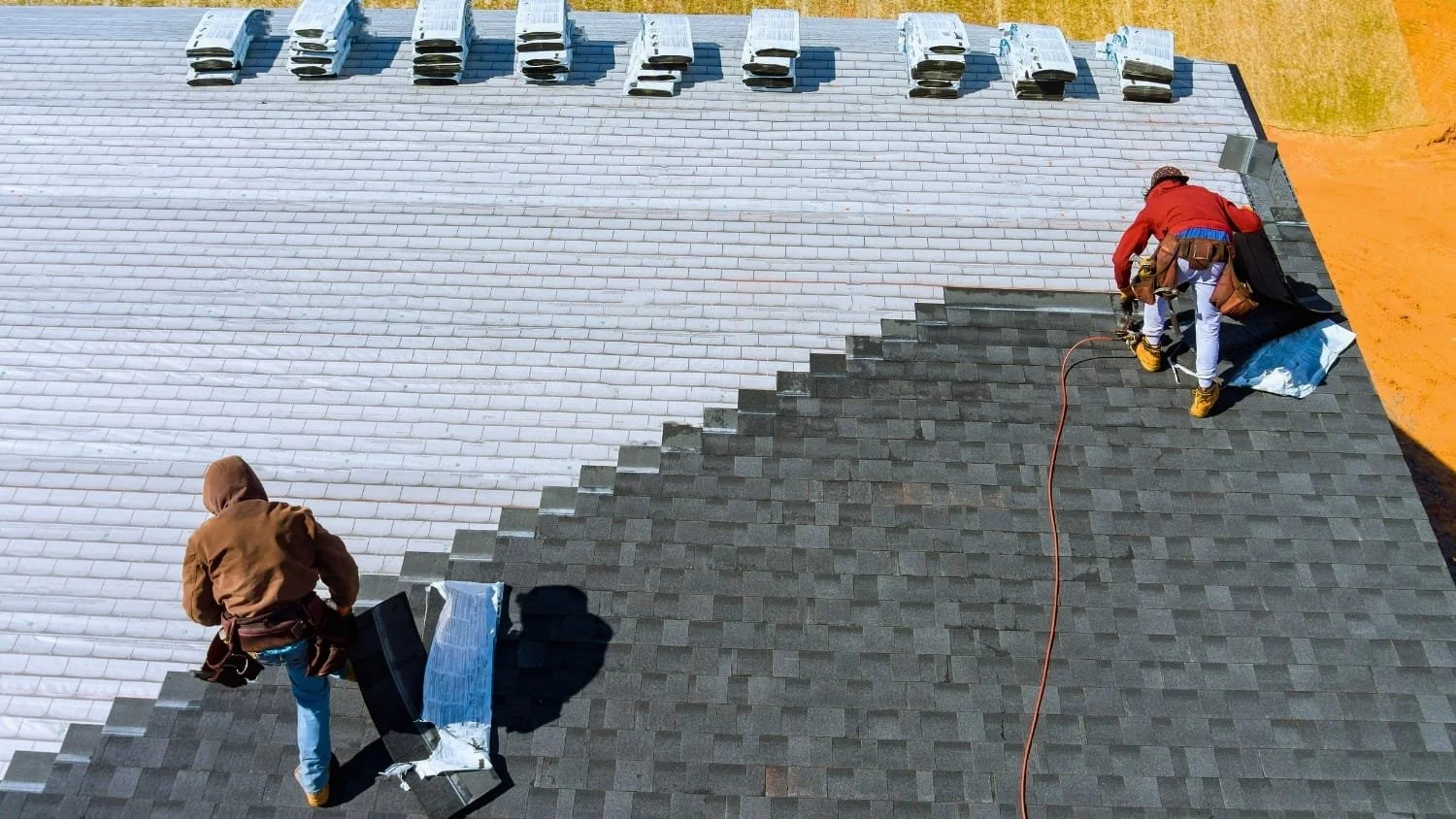
If you're weighing asphalt shingles for your Illinois or Wisconsin home, the real question isn't whether they work here. It's which type, which quality tier, and how well they're installed.
This is a beginner-friendly walkthrough of what asphalt shingles are, how long they last in our climate, the styles you can choose from, what drives the cost, and how Midwest weather specifically shapes the right choice. No prior roofing knowledge assumed.
What Are Asphalt Shingles?
An asphalt shingle is a flat, rectangular roofing tab built in layers. At the core is a fiberglass mat that gives the shingle its shape and tear resistance. That mat gets coated in asphalt, which waterproofs it, and the top surface is embedded with ceramic-coated mineral granules. Those granules block UV rays that would otherwise dry out the asphalt, and they give the shingle its color.
You'll sometimes hear "composite shingle" used as if it's a different product. For most conversations, it's the same thing. Asphalt shingles are composite by nature because they're made from more than one material layered together. Where it gets confusing is that some premium synthetic shingles are also called composite, but when a Midwest contractor says composite or architectural shingle, they almost always mean a standard asphalt shingle.
Asphalt shingles offer a reasonable price, a wide color and style range, quick installation, and dependable performance in a climate that punishes roofs.
For a deeper comparison against metal, tile, and other options, our breakdown of the best roofing material for your home lays out where each one wins. For a direct head-to-head, see our guide on metal roof vs. asphalt shingles.
What Are the Three Types of Asphalt Shingles?
Not all asphalt shingles are equal. The tier you choose affects lifespan, wind rating, and how the roof looks. There are three broad categories, and the right choice depends on your budget, location, and risk exposure.
3-tab (strip) shingles are the oldest and cheapest style: flat and uniform, with cutouts that make each shingle look like three separate tabs. They're thin and light, which shows up in a lower wind rating and shorter lifespan. 3-tab shingles suit tight budgets or rental properties, but they're steadily being phased out on quality residential work.
Best for: budget-focused projects where aesthetics and longevity are secondary concerns.Dimensional (architectural) shingles are the default choice for most homes today. They stack two or more layers, giving a thicker, textured look that mimics wood shake. The added weight means better wind resistance and a longer service life.
Best for: most Illinois and Wisconsin homeowners who want solid long-term value and reliable performance in Midwest weather.Luxury (premium) shingles are the thickest, heaviest tier, designed to convincingly imitate slate or cedar shake. They carry the highest wind and impact ratings and the longest warranties.
Best for: steep-pitched roofs that are the visual centerpiece of the home, or homeowners in high-hail zones who want maximum protection.
Major manufacturers including GAF, Owens Corning, CertainTeed, IKO, and Malarkey offer architectural and luxury lines, and several produce impact-rated shingles built specifically for hail-prone regions.
CertainTeed's Landmark family and its ClimateFlex impact-rated line are examples you'll see quoted in the Midwest, but every major brand has a comparable product.
What matters more than the brand name is that the shingle is impact-rated (Class 3 or Class 4) if hail is a concern, and that it's installed by a certified crew.
How Long Do Asphalt Shingles Last in Illinois and Wisconsin?
Plan on 20 to 30 years for a quality architectural shingle in this climate, with luxury lines reaching further and 3-tab shingles falling short of that range. Manufacturers often advertise "lifetime" or 50-year figures, but those numbers assume ideal conditions and prorate heavily after the first decade. Midwest weather is not ideal conditions.
Three forces shorten a shingle roof's life in Illinois and Wisconsin more than anything else:
Freeze-thaw cycling. Both states can swing above and below freezing dozens of times each winter. Water works into small cracks, freezes, expands, and pries things apart. Over years, that cycle fatigues shingles and the sealant strips underneath them.
Ice dams. When attic heat melts snow that then refreezes at the cold eaves, water backs up under the shingles and finds its way into the deck. Good shingles don't stop ice dams on their own. Proper attic insulation, ventilation, and ice-and-water membrane at the eaves do. If ice dams are a recurring problem, the steps in our guide on managing ice dams are worth reading before your next replacement.
Hail and wind. Both states sit in an active severe-storm corridor. A single bad hailstorm can knock granules loose across an entire roof, and high winds lift and crease tabs on exposed faces.
The shingle itself matters, but the system underneath and the ventilation above determine whether you get 15 years or 30. A cheaper shingle installed correctly with good ventilation often outlives a premium shingle on a hot, poorly vented attic.
How Does Midwest Weather Shape the Right Shingle Choice?
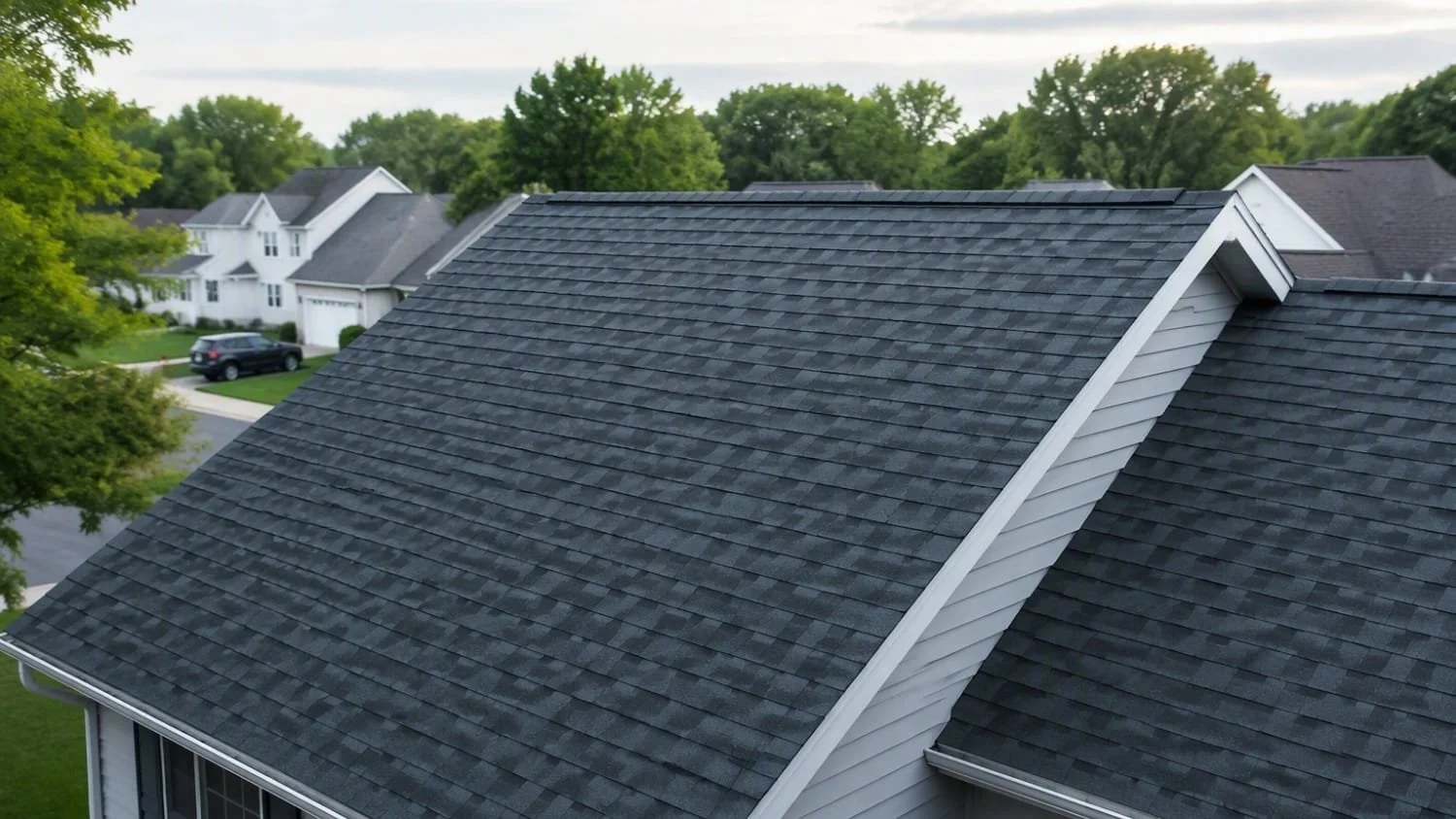
Generic advice that "asphalt shingles resist harsh weather" is true but not very useful for Illinois and Wisconsin homeowners. Here's how specific regional conditions should change what you buy.
Does hail frequency vary across the region?
Yes, significantly. Southern and central Illinois see more frequent large hail than the Chicago collar counties, and parts of southern Wisconsin get hit regularly too. If you're in a higher-frequency zone, a Class 4 impact-rated shingle is worth the upgrade. It resists granule loss and cracking, and many insurers offer a premium discount for installing one. If hail has already damaged your roof, our hail damage roof repair guide walks through inspection and next steps.
What wind rating do I need for Illinois or Wisconsin?
Architectural shingles are commonly rated to 110 or 130 mph when installed to spec, which covers the vast majority of Midwest wind events. The catch is "installed to spec": wind ratings only hold if the nailing pattern, sealant activation, and starter strips are done correctly. This is where corner-cutting tends to show up, and it stays invisible until the first big storm strips a section off.
Why do freeze-thaw cycles matter for shingle selection?
Shingles built with SBS-modified asphalt, a polymer-modified formulation sold under various brand names, stay pliable in cold temperatures and resist the cracking that rigid shingles develop after repeated freeze-thaw punishment. In a climate that crosses the freezing line as often as ours does, that flexibility is a genuine performance advantage.
Is snow load a concern for asphalt shingles?
Snow weight is primarily a structural question, not a shingle one. What snow does to shingles happens at the melt: ice dams, meltwater intrusion, and the abrasion of improper raking. If heavy snow accumulation is a yearly reality on your roof, professional roof snow removal protects both the structure and the shingles far better than a homeowner on a ladder with a roof rake.
How Much Do Asphalt Shingles Cost in Illinois and Wisconsin?
No contractor can honestly quote your exact price from a blog post. Roofing is priced per "square" (a 10-by-10-foot area, or 100 square feet), and your total depends on factors that vary house to house. Here's what actually moves the price:
Shingle tier. 3-tab is cheapest, architectural sits in the middle, and luxury or impact-rated lines cost more per square.
Roof size and pitch. More area means more material and labor. Steep roofs require additional safety measures and slow the crew down, both of which add cost.
Complexity. Valleys, dormers, skylights, chimneys, and multiple facets all add labor and flashing work.
Tear-off and decking repair. Removing old layers costs money, and any rotted decking found underneath must be replaced before new shingles go on.
Underlayment and accessories. Ice-and-water shield at the eaves, ridge vents, drip edge, and starter strips are part of a proper system and part of the price.
Because asphalt sits well below metal, tile, and slate on cost while still lasting decades, it remains the practical choice for most homes. If a new roof stretches the budget, flexible financing can spread the cost, and every estimate Avondale Roofing provides is written out in full detail so you see exactly what you're paying for.
For a broader look at repair pricing, our post on what roof repair costs covers the smaller-scale numbers.
What Happens When a Storm Damages Your Asphalt Shingles?
Hail and wind claims are common in Illinois and Wisconsin, and knowing the process before you need it saves stress and money. After a storm, document everything with photos and get a professional inspection before filing a claim. A trained eye spots bruising, creased tabs, and granule loss that a homeowner would miss, and that documentation supports your claim.
The full sequence from spotting damage to filing is laid out in our guide to filing a roof insurance claim.
If damage is active and water is already getting in, that's a job for emergency roof repair, which includes tarping and claims assistance to prevent the situation from worsening while paperwork moves.
For a broader overview of identifying storm-related issues before they escalate, our article on how to spot roof damage after a storm is a useful starting point.
One important note: impact-rated shingles not only survive hail better, they can also lower your insurance premium in a hail-active region. That's a real return on the upgrade cost.
Installation and Warranty: Where Roofs Are Really Won or Lost
The best shingle on the market fails early if it's nailed wrong, vented poorly, or flashed sloppily. Two warranties matter, and they're separate:
The material warranty comes from the manufacturer and covers defects in the shingle itself.
The workmanship warranty comes from your contractor and covers the installation. A material warranty won't help you if the crew's mistake caused the leak, so the workmanship coverage is the one that protects you day to day.
Manufacturer certifications confirm that a crew has been trained and vetted to that brand's standard, which often unlocks stronger warranty tiers than an uncertified installer can offer.
Avondale Roofing holds GAF Master Elite and President's Club certifications and has served Illinois and Wisconsin homeowners since 1988 from permanent local offices in Edgerton, Wisconsin and Elgin, Illinois. That local presence matters for a warranty: a workmanship guarantee is only as good as the company standing behind it a decade from now.
Not sure what to look for when comparing contractors? The questions in our guide on what to ask a roofing contractor help you separate a qualified professional from a storm-chaser who'll be gone by spring. Our roofing contractor red flags guide covers the warning signs to watch for too.
FAQ
Are asphalt shingles durable enough for Illinois and Wisconsin winters?
Yes. Quality architectural asphalt shingles handle Midwest freeze-thaw cycles, snow, and ice well when installed with proper underlayment, ice-and-water shield at the eaves, and good attic ventilation. The shingle grade matters, but the system underneath and the ventilation above matter just as much for surviving Illinois and Wisconsin winters.
Is an asphalt shingle the same as a composite shingle?
In most cases, yes. Asphalt shingles are composite by construction because they layer a fiberglass mat, asphalt, and mineral granules. When a Midwest contractor says composite or architectural shingle, they're almost always describing a standard asphalt shingle. The term only gets murky with certain premium synthetic products, which a qualified contractor will identify by name.
What's the difference between 3-tab and architectural shingles?
3-tab shingles are flat, thin, and cheaper, with a lower wind rating and shorter lifespan. Architectural (dimensional) shingles are thicker and layered, giving them better wind resistance, a longer service life, and a more finished look. For most homes in Illinois and Wisconsin, architectural shingles are the better long-term value.
Should I pay extra for impact-rated shingles in Illinois or Wisconsin?
If you're in a hail-active part of Illinois or Wisconsin, generally yes. Class 4 impact-rated shingles resist hail bruising and cracking, and many insurers offer a premium discount for installing them. The upgrade cost is often offset over time through lower premiums and fewer storm claims.
What are the warning signs that my asphalt shingles need replacing?
Key indicators include curling or cupping shingle edges, missing tabs, granule loss visible in your gutters or downspouts, dark or wet patches on the roof surface, daylight visible through the attic, and a roof age of 20 or more years. If you spot any of these, our guide on how to tell if your roof needs replacing walks through each warning sign in detail.
What is an SBS-modified asphalt shingle and do I need one in the Midwest?
SBS (styrene-butadiene-styrene) is a polymer added to the asphalt compound that makes the shingle more flexible in cold temperatures. Standard asphalt can become brittle in sustained freezing weather, developing micro-cracks over time. SBS-modified shingles stay pliable in subfreezing conditions, which makes them a strong option for Illinois and Wisconsin homes where freeze-thaw cycling is a major lifespan factor. Ask your contractor whether the product they're recommending includes SBS modification.
Can asphalt shingles be installed during winter in Illinois or Wisconsin?
Yes, with conditions. Most manufacturers require ambient temperatures above approximately 40°F for the sealant strip to activate properly. Below that threshold, shingles can still be installed, but they require hand-sealing to ensure the tabs bond correctly. Without that step, wind uplift becomes a risk before the sealant sets in warmer weather. A certified contractor will know the correct cold-weather protocol and use the right adhesive for winter installations.
Ready to Talk Through Your Options?
Choosing the right asphalt shingles for an Illinois or Wisconsin home comes down to matching the right tier and impact rating to your local weather conditions, then having them installed by a certified crew that backs the work with a solid workmanship warranty.
The simplest next step is a free, no-obligation inspection. Book your free roof inspection with Avondale Roofing and get a detailed written estimate, or explore our residential roofing services to see how our team handles asphalt shingle installations across Illinois and Wisconsin. Avondale will give you a straight assessment and the numbers you need to make a confident decision.